Every year we brace for Google updates, but the November 2025 rollout was different. It didn’t just adjust rankings or shuffle winners and losers. It clarified the future of search in a way that’s now impossible to ignore: Google is building an AI-first search experience, and your content either fits that model or gets phased out.
This update didn’t arrive with fireworks. It arrived with behavior changes — the kind that quietly reshape how people discover you online. If your traffic feels off, if certain pages stopped pulling their weight, or if local visibility shifted without warning, that’s the update at work.
And the message is loud: AI optimization isn’t optional anymore. It’s the foundation of modern SEO.
Why This November 2025 Update Hit Harder Than Others
Most core updates tweak ranking signals. This one recalibrated how Google reads intent, measures trust, and interprets page quality — because its AI systems are now running point.
One of the earliest signs happened right after the global search glitch. As soon as Google stabilized results, AI began interpreting queries with far deeper context. People didn’t change how they search — Google changed how it understands them.
That alone reshapes SEO.
But November brought more:
-
Query Groups in Search Console now reveal how users actually cluster their searches, which means keywords matter less than the intent patterns behind them.
-
AI Overviews expanded again, pulling crisp, voice-ready answers directly from sites that communicate clearly.
-
And ranking volatility increased across industries because Google is filtering harder than ever for originality, experience, and trust signals.
This wasn’t a simple update. It was a redefinition of how content is evaluated.
What’s Getting Filtered Out Now
If you’ve felt pages slipping, don’t assume it’s random. Google spent the past two years tightening detection against thin content, recycled AI writing, manipulative links, and sites that don’t offer real human insight. That work escalated in November.
Here’s what the update deprioritizes quickly:
Content that’s generic.
If your page can be summarized by AI in two sentences, Google sees no reason to rank it.
Content without lived experience.
E-E-A-T has evolved into a litmus test for authenticity. Real examples, real credentials, real insights rise. Everything else sinks.
Weak mobile experiences.
Googlebot only cares about your mobile version now. If that experience fails, the whole domain takes the hit.
Local profiles with stale signals.
Old photos, outdated hours, weak reviews — it’s all ranking fuel now.
This is why some sites bounced back after cleaning up their content, while others saw deeper declines. Google is no longer tolerating “good enough.”
Content That Performs Now Looks Very Different
Search is moving toward answers that feel personal, helpful, and grounded in actual expertise. That means the pages Google rewards now:
sound like a human wrote them,
share real experience,
use plain language,
and deliver value quickly.
Long-winded intros and vague generalities get ignored. AI systems pull from clean structure, clear Q&A sections, and content that treats the reader’s time with respect.
You can see this shift in Featured Snippets too. They didn’t disappear — they just became pickier. Google now favors pages with depth, balance, and strong on-page signals like schema, original visuals, and tight formatting. If you’re not using those, AI Overviews are taking your spot.
Local Search Saw Quiet but Major Shifts
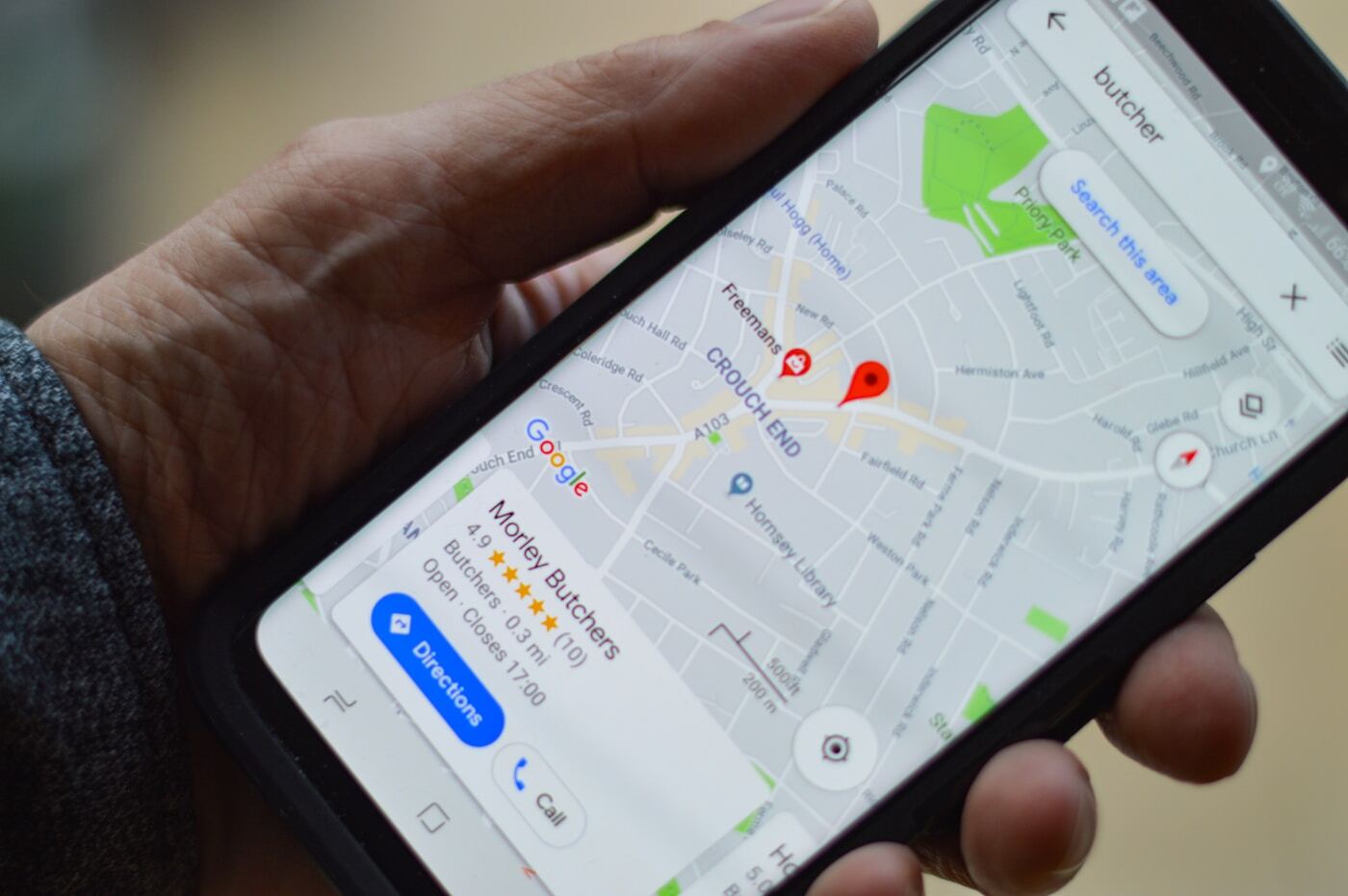
Local businesses felt this update more intensely than they expected. Google boosted real-world signals: fresh reviews, updated business info, accurate hours, and authentic user photos. Businesses that maintain their profile daily are climbing. Those letting it collect dust are losing ground.
People search “near me” more than ever, and Google wants the results to feel trustworthy. The November update increased that pressure dramatically.
AI Is Now the First Filter Between You and Your Audience
The biggest takeaway from this update is simple: AI is curating what users see before they ever click on a link.
Google’s systems summarize, extract, and evaluate your content before it’s shown. If your content isn’t structured in a way AI can interpret cleanly, your visibility drops — even if your writing is solid.
This is where businesses lose the most ground: not because the content is bad, but because the content isn’t optimized for how AI reads it.
This is the new skill set modern SEO requires.
So What Should You Be Doing Right Now?
Start by tightening the basics:
Make your content scannable.
Add or refine your FAQ sections.
Strengthen internal links that clarify context.
Show real experience in the copy.
Fix mobile issues.
Track Query Groups to understand intent shifts.
Then go deeper:
Ask yourself: If Google had to summarize this content in two lines, would it actually help someone?
If the answer is no, revise it.
Google isn't punishing sites. It’s rewarding clarity, experience, structure, and trust — the exact things AI systems rely on.
The Bottom Line: This Google Algorithm Update Signals the Future
November didn’t just change rankings. It changed expectations. The brands that adapt to AI-first search will hold their visibility. The ones that wait will keep asking why their traffic is slipping.
If you’re unsure where to start — whether you need a content audit, a technical cleanup, or a full strategy overhaul — let’s talk.
Your visibility depends on staying ahead of updates like this one.
Need help adapting to the new AI-driven search landscape?
Book your SEO Consultation Today
or - Learn more about how LevelUp approaches SEO for your business here.


 Heather Harrington


 William McCulley: Sep 25, 2026, 10:15:00 AM




%20-%202026-05-12T213442.436.png)